
The global plastic crisis demands immediate action. Every year, millions of tons of single-use plastic containers end up in landfills and oceans, where they persist for hundreds of years. SugaWrap offers a proven alternative: packaging that performs like plastic but disappears like nature intended.
How it works: From Plant to Plate to Earth
Step 1: Sustainable Sourcing
We use rapidly renewable resources: sugarcane bagasse (the fibrous material left after juice extraction) and bamboo, one of the fastest-growing plants on Earth.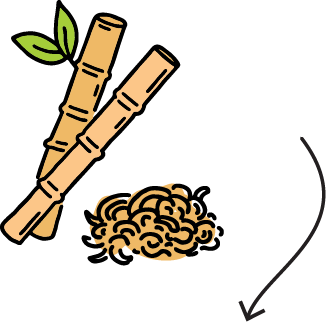
Step 2: Clean Manufacturing
Our production process uses heat and pressure—no toxic chemicals or PFAS coatings. The result is a sturdy, food-safe container.
Step 3: Complete Decomposition
After use, our containers break down completely in commercial composting facilities within 90 days, returning valuable nutrients to the soil.
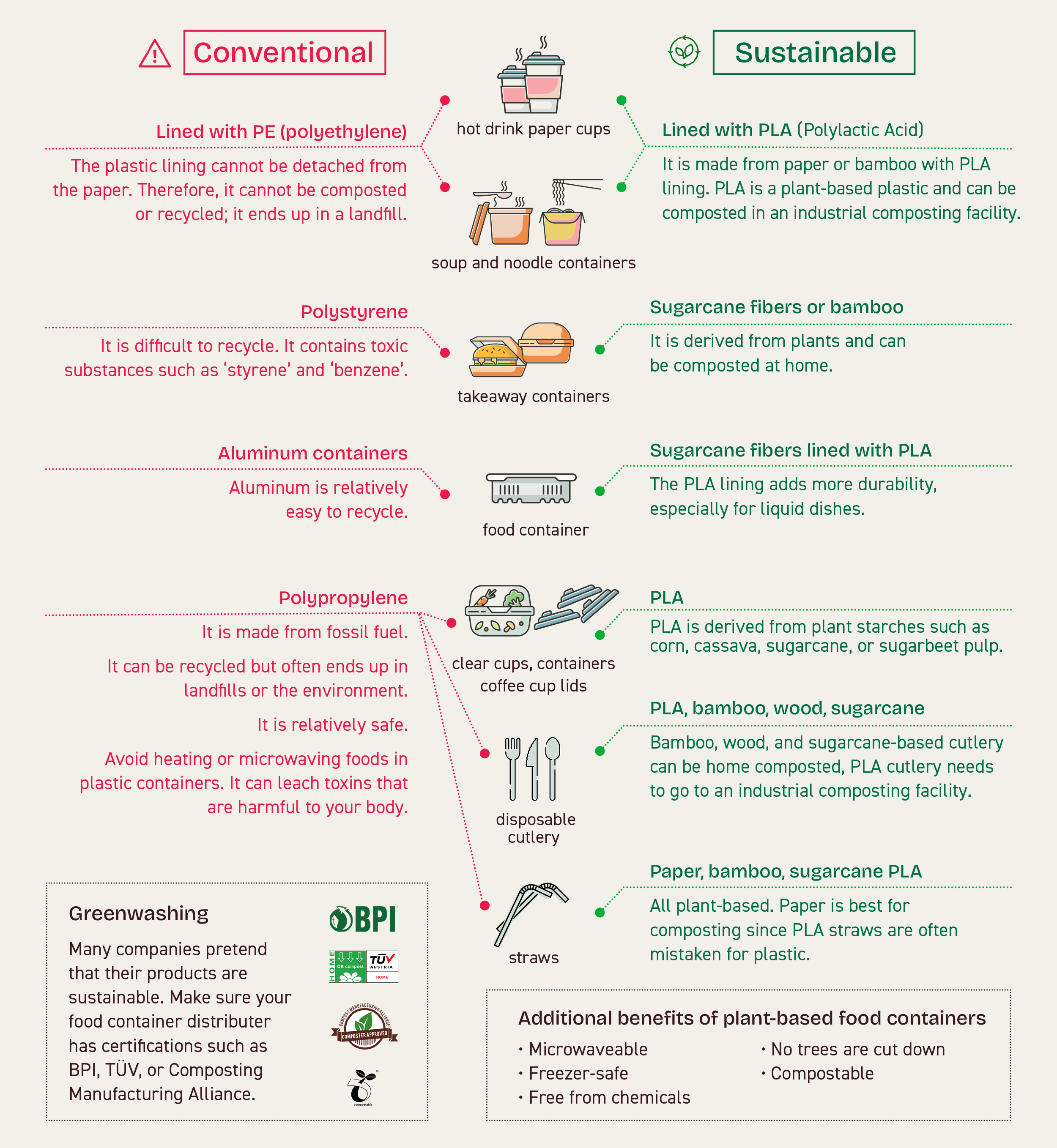
What material is your take-out food container* made of?
Frequently Asked Questions
-
Recent studies have found microplastics in human blood, lungs, and even placentas. These tiny plastic particles leach from food containers into our meals, especially when heated. The long-term health effects are still being studied, but scientists are increasingly concerned about potential impacts on our hormones, immune systems, and overall health.
-
Microplastics are tiny plastic particles smaller than 5mm that break down from larger plastic items. When you store or heat food in plastic containers, these particles can leach into your food and beverages. Over time, these accumulate in your body—studies show the average person consumes approximately 5 grams of plastic per week, roughly equivalent to eating a credit card.
-
Yes. SugaWrap containers are made from 100% plant-based materials (bamboo and sugarcane fibers) with zero plastic content. They contain no PFAS (per- and polyfluoroalkyl substances), no BPA, no phthalates, and no other harmful chemicals found in conventional plastic or "compostable plastic" containers. Our containers are tested and certified by independent organizations including BPI (Biodegradable Products Institute) and TÜV (Technischer Überwachungsverein).
-
PFAS are "forever chemicals" used to make containers grease and water-resistant. They don't break down in the environment or in your body, accumulating over time. PFAS exposure has been linked to cancer, thyroid disease, immune system problems, and developmental issues in children. Many "eco-friendly" containers still contain PFAS—SugaWrap containers are completely PFAS-free and independently certified.
-
Absolutely. Unlike plastic containers that can release harmful chemicals when heated, SugaWrap containers are microwave-safe without any risk of chemical leaching. They're made entirely from plant fibers—no plastics, no coatings, no chemicals. Heat your food with complete peace of mind.
-
Our containers undergo rigorous testing by independent third-party certification organizations:
BPI Certified (Biodegradable Products Institute) - Confirms compostability and safety standards
TÜV Certified (Technischer Überwachungsverein) - European safety and quality certification
FDA Approved - Certified safe for direct food contact
PFAS-Free Certified - Independently tested and verified to contain zero PFAS All test results and certifications are available upon request.
-
SugaWrap containers are excellent for takeout, meal prep, and short-term storage (1-2 days). They maintain their integrity in refrigeration and freezing for this timeframe without any degradation or chemical leaching—unlike plastic containers that can release more chemicals over time. However, they are not designed for long-term storage (beyond a few days) or for storing liquids alone, as the plant-based fibers can absorb moisture over extended periods. They're perfect for restaurant takeout, catering, meal delivery services, and short-term meal prep.
-
Aqueous lining is a water-based coating applied to paper packaging for grease and moisture resistance. It's made from water, resins, and additives, but it's not plastic-free - most aqueous coatings contain synthetic polymers like acrylics, polyurethane, or polyethylene dispersions in water.
-
Pure paper/cardboard or other plant fibers without coatings
Coatings made from natural materials like wax, chitosan (from shellfish), or plant-based starches
Mineral-based coatings (like clay)
Bio-based dispersions that are certified compostable
Check for certifications like BPI, TUV OK Compost, or similar standards that verify the entire product (including coatings) breaks down properly in composting conditions.